
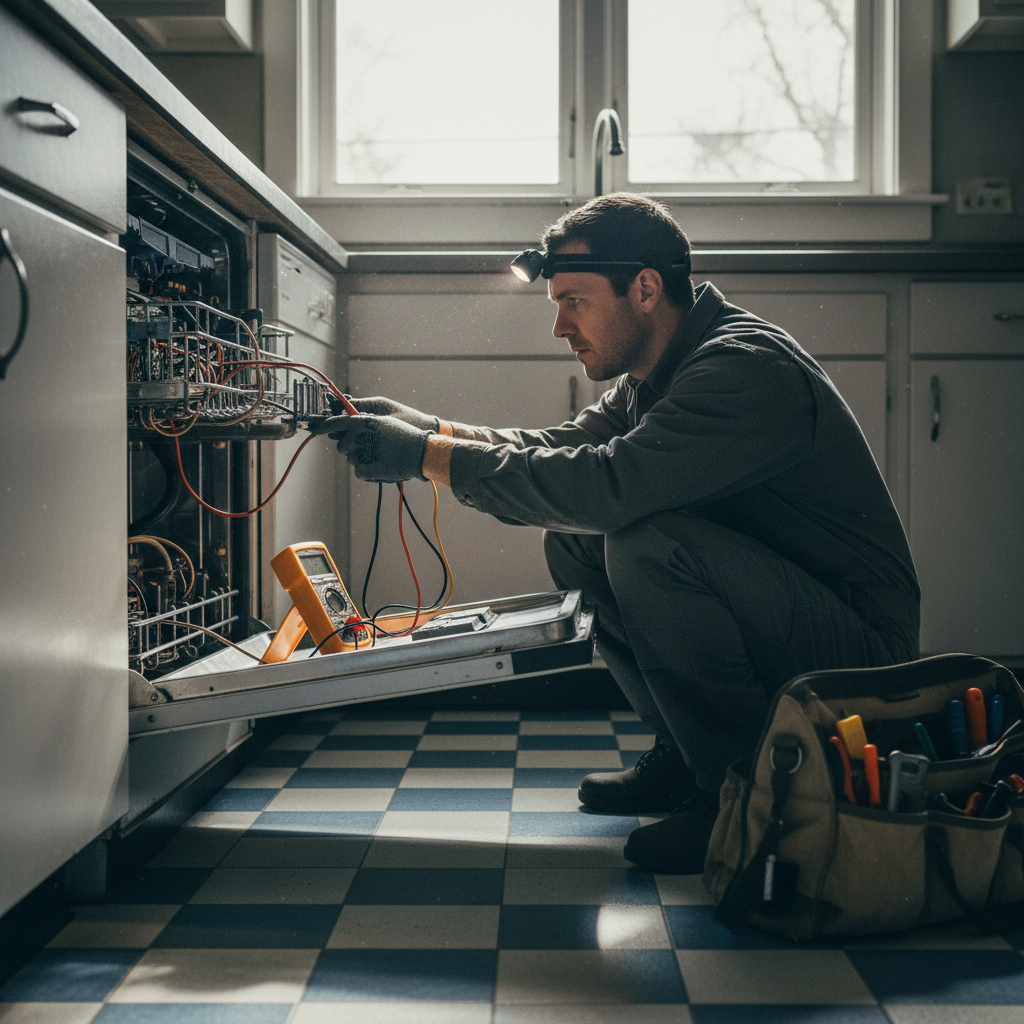
A bench of specialists, not a generalist with a van.
Every appliance category on this page has a dedicated technician who has spent years diagnosing that specific type of failure. When you call about a refrigerator, you get the refrigerator person. Read what they know before you decide.
Refrigerators & Freezers
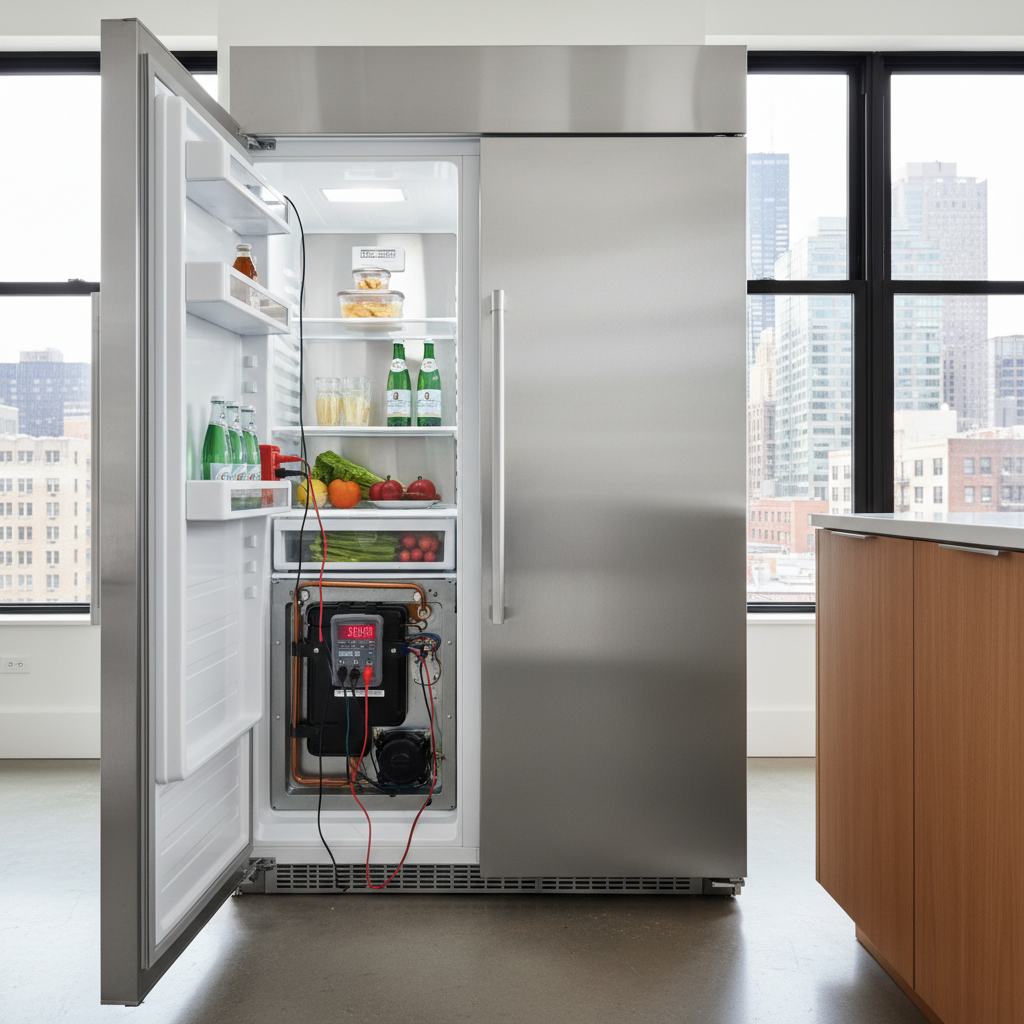
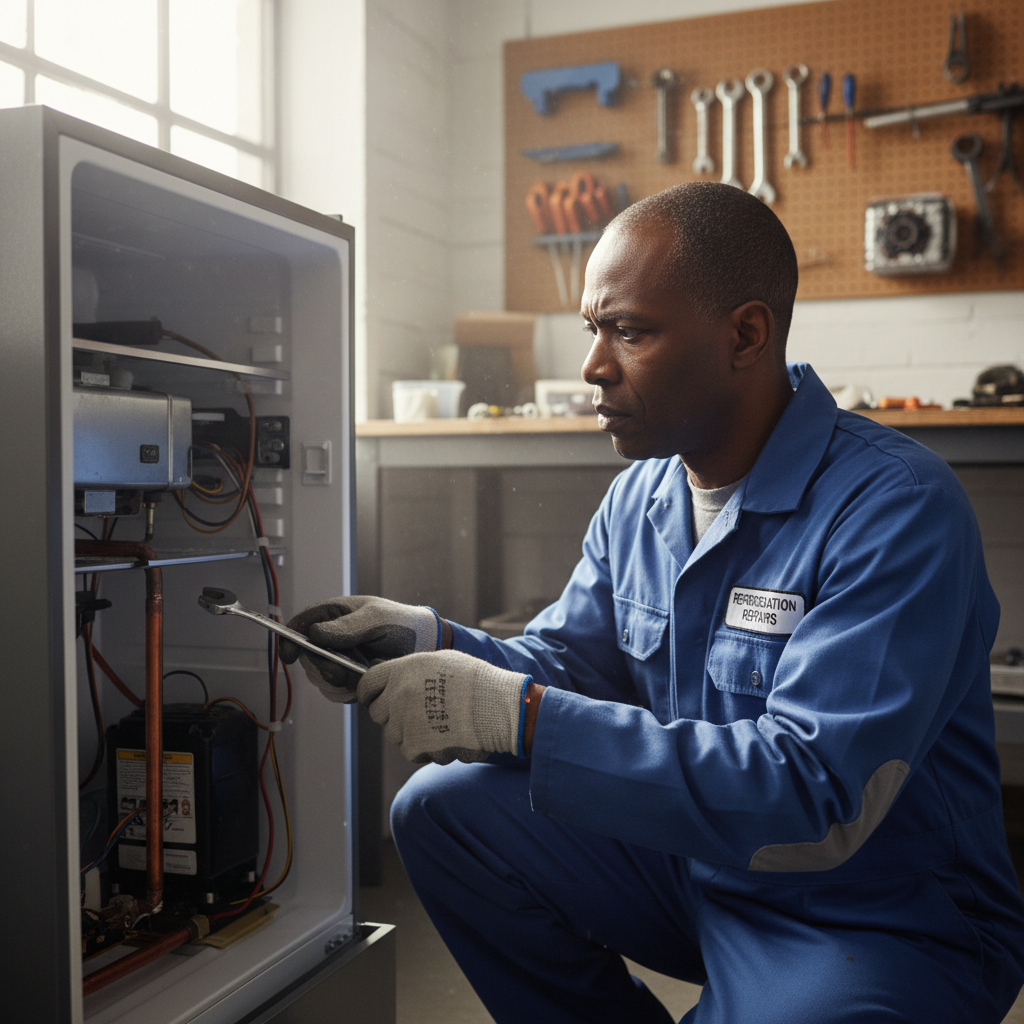
That clicking sound? It's probably the relay — not the compressor.
The most expensive misdiagnosis in appliance repair is calling a dead start relay a dead compressor. Marcus has seen it a hundred times: a homeowner quoted $800 for a compressor replacement when a $15 relay does the job.
Why this matters to your wallet
When your fridge clicks and goes silent every few minutes, the start relay is attempting — and failing — to kick the compressor into its cooling cycle. Replacing the relay costs $45–$90 in parts and labor. A compressor replacement runs $600–$900 and is rarely necessary in a unit under 15 years old. Sub-Zero's dual-compressor design means even if one fails, your unit keeps partial function. Marcus checks the relay first, every time.
Washers & Dryers
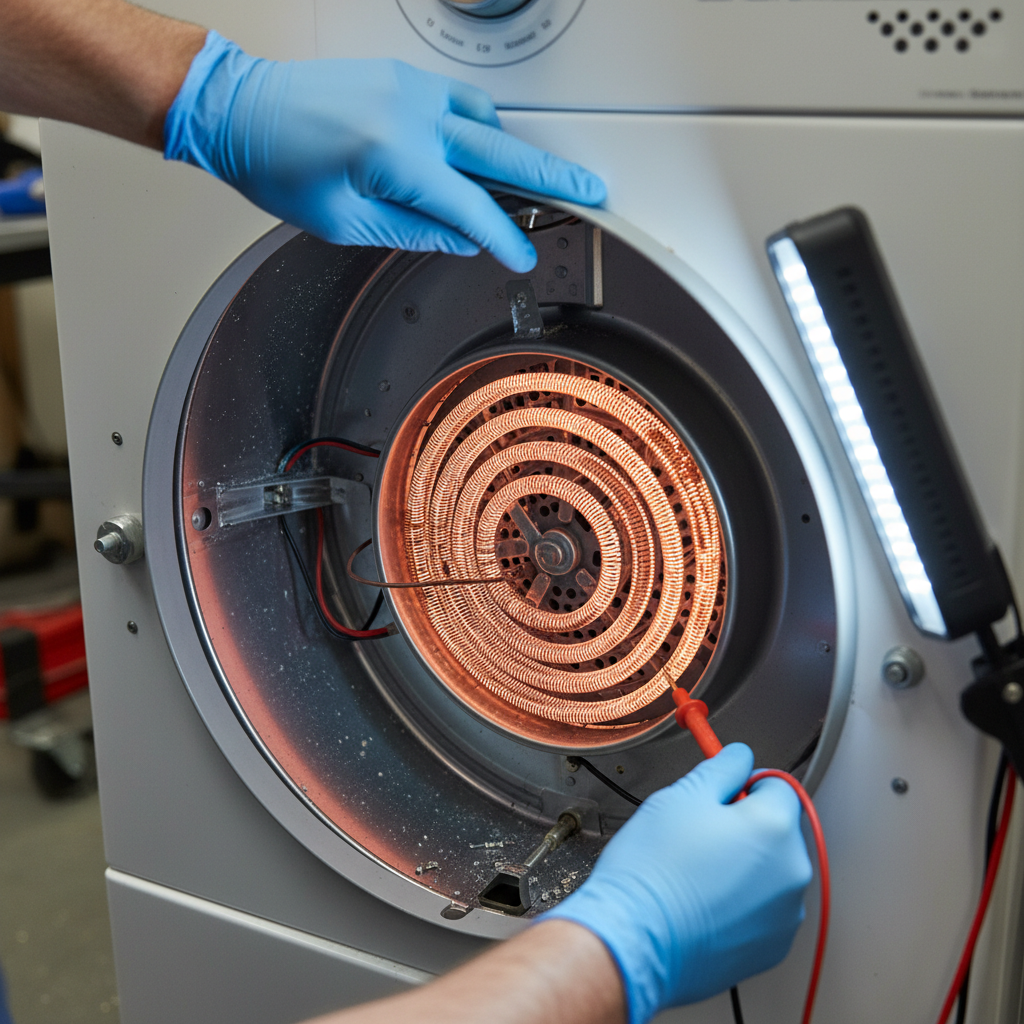
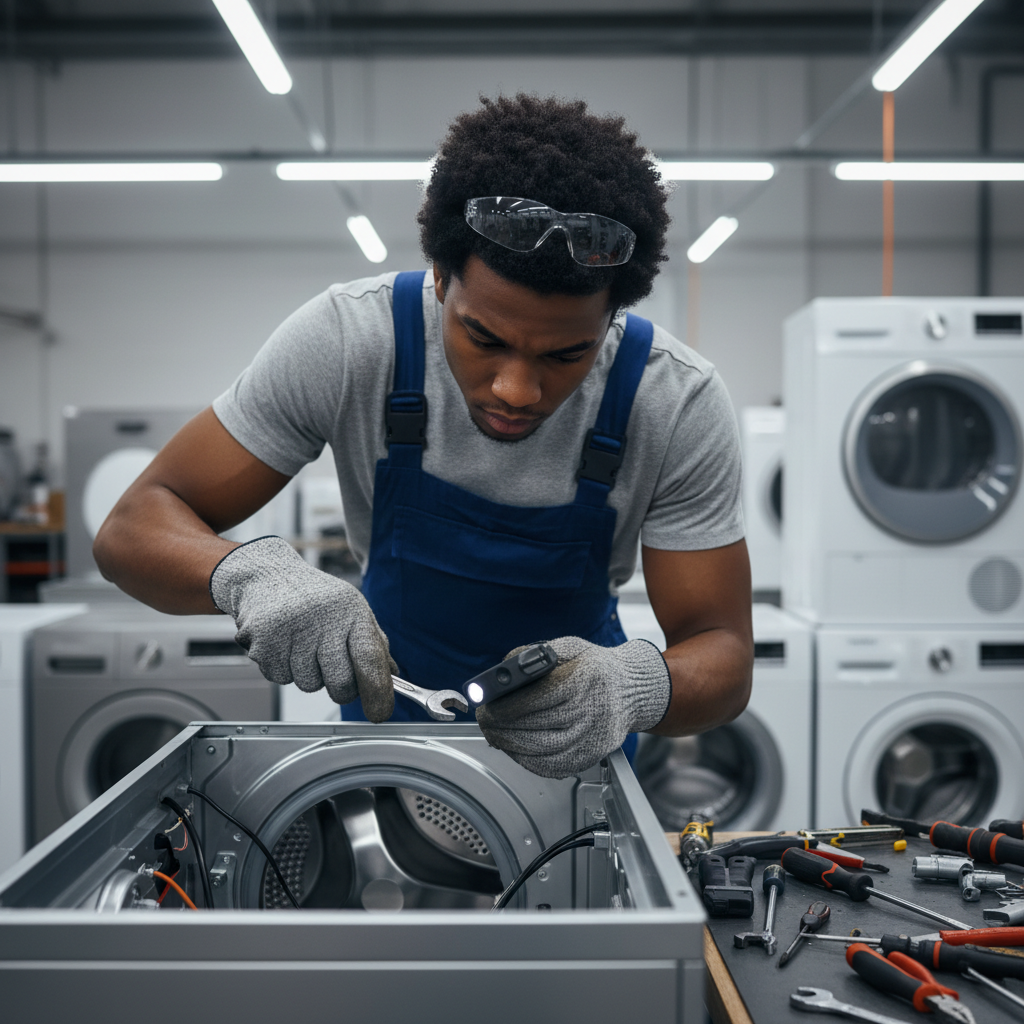
A dryer that won't heat has three likely causes. Darnell checks all three before ordering anything.
Landlords managing multiple units know the call: dryer in unit 4 stopped heating. Darnell's first job is to narrow it down fast — heating element, thermal fuse, or gas valve coil — without ordering parts you might not need.
The landlord playbook
Electric dryers fail at the heating element or thermal fuse most often — both are $25–$60 parts. Gas dryers usually need a gas valve coil at $35–$80. Darnell arrives with all three on the van, diagnoses on-site, and replaces only what failed. He carries same-day receipts formatted for maintenance files and can service multiple units in a single visit if you schedule back-to-back.
Ovens & Ranges
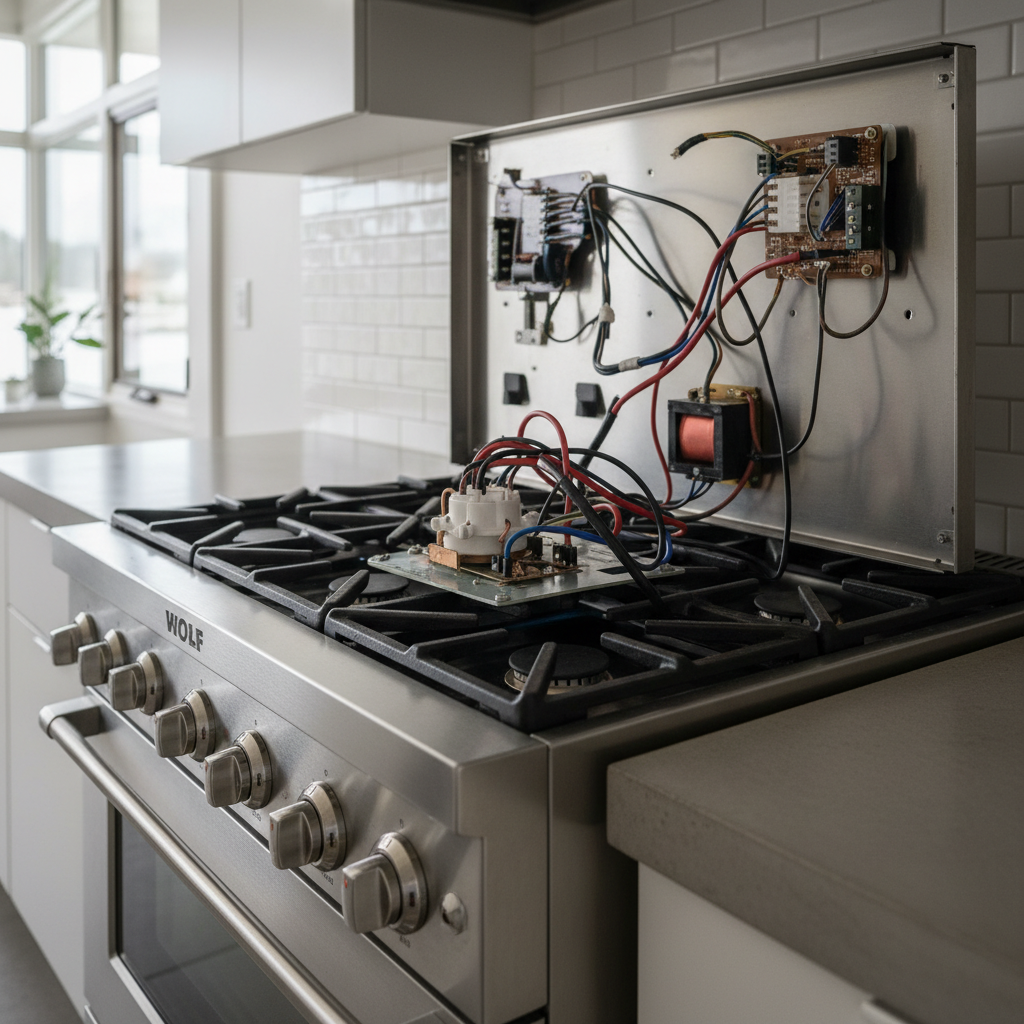

Gas or electric, Sofia checks the circuit before she touches a burner.
An oven repair that skips the wiring inspection is a liability, not a fix. Sofia's protocol starts with circuit verification — whether it's a 250V electric or a gas unit with ignition wiring — before diagnosing the fault.
Why wiring comes first
An electric oven requires a dedicated 250V circuit; a gas range still needs proper 125V wiring for the ignition system and controls. Improperly wired appliances are a fire risk that a surface-level repair won't catch. Sofia verifies circuit integrity, checks the igniter or bake element depending on fuel type, and documents everything on the service receipt. Wolf and Thermador units are her specialty — she carries OEM igniters for both.
Dishwashers
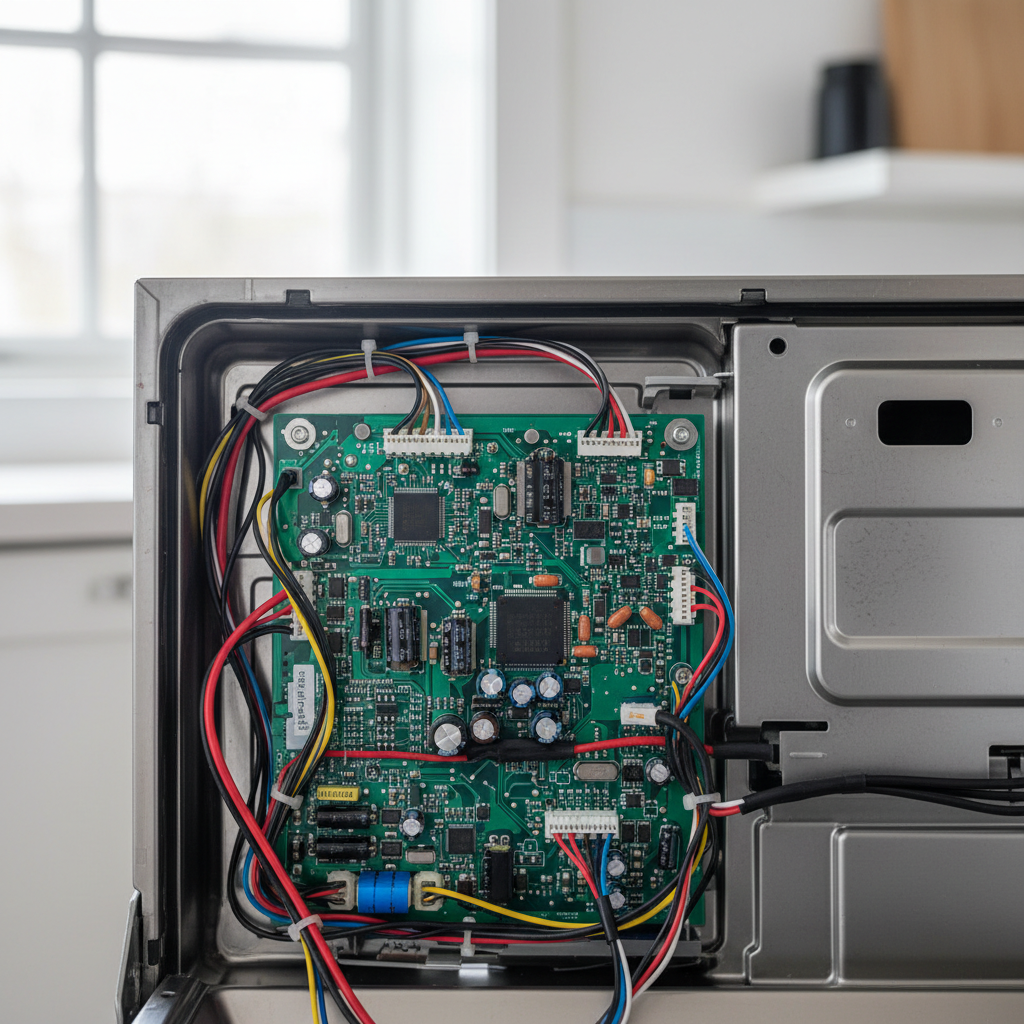
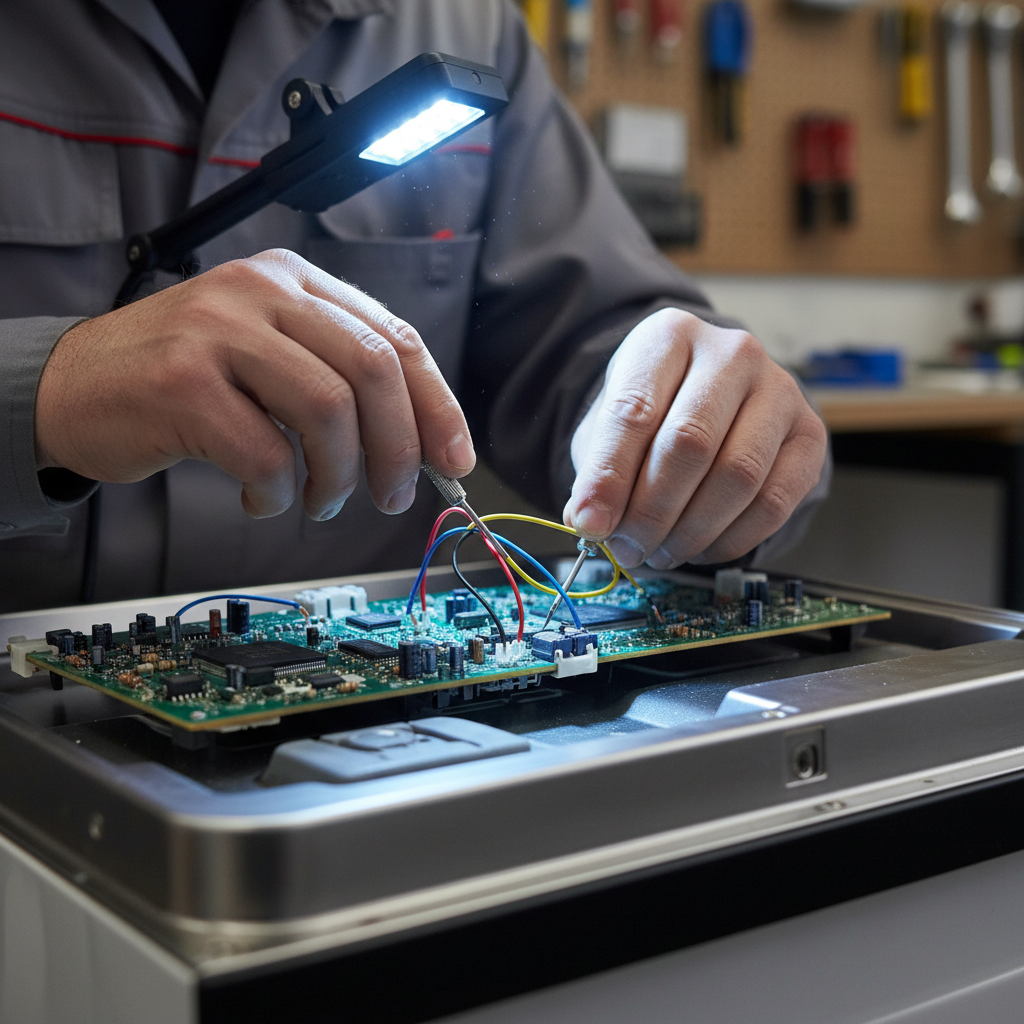
A dishwasher that won't drain is usually one clogged filter away from fixed.
Most dishwasher calls Marcus takes in Chicago brownstones come down to three things: a clogged filter, a failing drain pump, or a control board that's stopped communicating. Two of those are inexpensive. Marcus finds out which before the diagnostic fee conversation.
The wiring risk nobody mentions
A dishwasher improperly wired during a previous repair or installation creates a genuine fire hazard in a residential kitchen. Marcus checks ground integrity and circuit load on every dishwasher call — not because it's billable, but because it's the job. Bosch and Miele units have proprietary control boards; he carries the most common failure units in stock for same-day replacement.
Every repair comes with a written guarantee.
Parts and labor covered for 12 months. If something we fixed fails again within the warranty period, we come back at no charge. That goes on the receipt, not just in a conversation.